Player Experience
Story Taking Priority Over Gameplay
Traditional Approach to Story
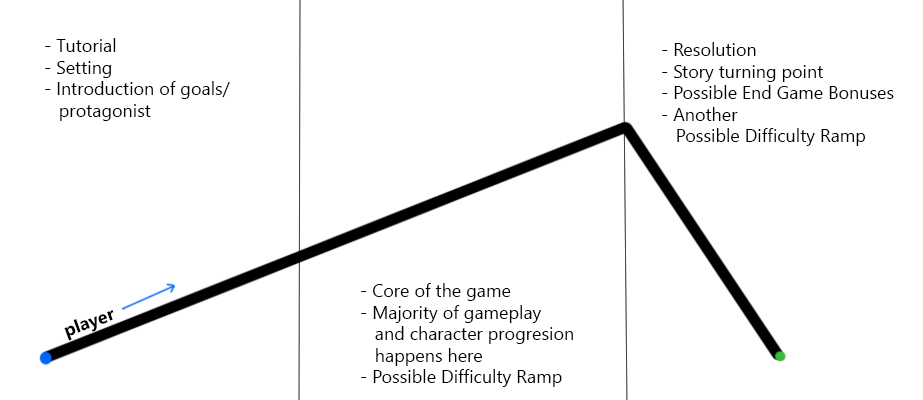
- The first act should be designed to be played through once. At the very minimum, it could simply be an introduction cutscene. A more accessible idea would be to design this as a tutorial to introduce the player to game basics and mechanics. The importance however of this first act is to set the stage for the player. This should be designed to be played once and it needs to stick with the player so when they jump to the second act they know what the game is about. The smoother this part of the game goes for the player the more inclined they will be to continue playing. If it is too slow or uninteresting then you might be in for a shock when reviews start rolling in. The player is usually savvy with the basics for the game they purchase, saving time on not explaining common sense will likely be a smart move.
-
The second act will symbolize the core of the game, this is where all your gameplay lies but beside that each sequence that play out will progress the game story. The intention however is to be able to tell your story without bleeding into a third act. Writing in subplots within the story can create a clear characterization of the playable character. Through these subplots players can connect with their playable character, understand their motivations and personality and maybe establish a connected identity with them. By the time player’s reach the third act there will be more of a personal aspect to the game.
-
The third act is more complex but more traditionally a turning point for the player. The goal here is to implement a conclusion. This can be done more simply with a last stage/biome or boss event. Endings don’t always have to be straightforward however. You can save the world or you could default the final boss but end up causing characters more trouble. A game can end whichever way a developer wants, this is their choice and the only limit is their their imagination.
Mechanics at One with Story
Emergent Narrative
Lore Makes a Huge Difference
Slow Reveals and Quests
Reasonable Mechanics
Taking a step back from player experience and detailed stories, something that needs work in the genre is design. The design of gameplay in connection with game story is important. You can write about anything but in the end it may not relate to the gameplay in the best of ways. There are always certain formalities of the roguelike genre your game shouldn’t break otherwise the experience might falter in the final product. Things like pitfalls, instant one-hit deaths, potions that have certain effects and the randomization of those effects.
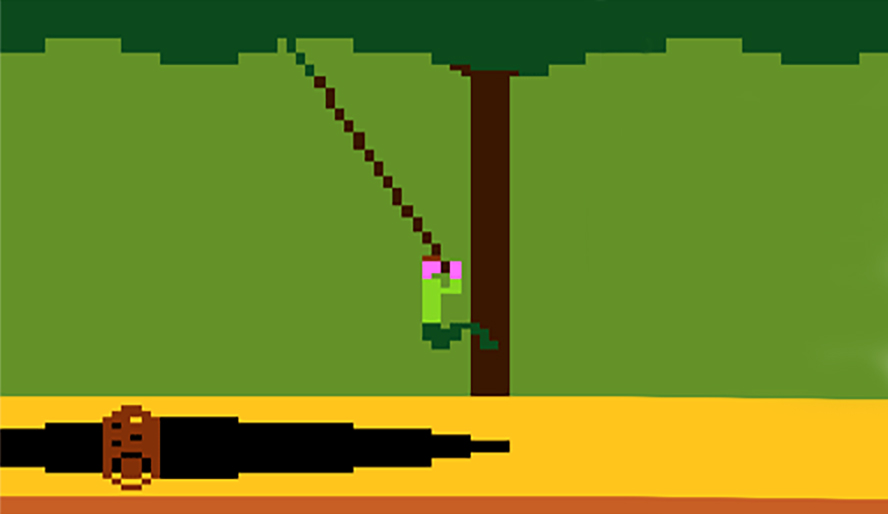
For example placing pitfalls into the first few levels of your roguelike might hinder gameplay and come off as too difficult. Another disastrous decision would be making an unidentifiable potion kill the player after drinking it for the first time—or having potion effects match visuals without randomizing this on each run. The correction of these gameplay elements would help retain gameplay balance, it might be tempting without a game story to have risks like these for the player but they don’t always translate to a positive gameplay experience.
Balance, in All Things
Usually, story is handled quite well in many of the titles that I have played. Only rarely will it hinder my game experience. Once in a while, titles I play will have gameplay that doesn’t fit the story or inbalances between the two which results in a lack luster experience. Those games will end up being forgotten at the bottom of a game shelf or in a bargain trade bin at a game store. It is important for developers to take the time to formulate mechanics that suit the story they are writing but also make sure there is a balance of the two.
Games solely focused on story tend to have lower quality gameplay, and games that focus solely on gameplay have nonexistent or uninteresting story elements. Never be afraid to pack in as much detail as you can within game lore.
Also don’t be shy when adding difficulty ramps to your end game. When ramping difficulty after a certain point in your game, as long as it makes sense to you then it will make to the player also. Look at what other developers have created. Many games developed today take inspiration from other titles. There is nothing wrong with that as much of the time developers end up bringing new ideas to the table as well as refinements to common roguelike mechanics.
Story can be implemented with gameplay in many ways, whether allowing for player stories to form naturally with solid plot anchors or with a more traditional narrative here the game is split into main acts. The one thing to avoid is straying the path when constructing a roguelike. If the game shifts too much with gameplay mechanics or pacing it will most likely turn off players on release.
A goal to strive for when balancing these the elements of story and gameplay is to strike an accord with how you want your player to perceive your game. Your story needs to interest them but also offer a challenge through well designed gameplay. Adding meat on the bones of your game allowing for them to return over and over again, all whilst focusing on immersion and interactivity. This will ensure the player will have something to come back to. Finding the best of both worlds and implementing them into your game is a part of your goal amidst many goals when developing a roguelike.
Enjoy reading this article? If you did please spread it around on social media. We love to interact with people in the industry and branching out to make connections with people at Black Shell Media. Our Twitter is located here.